Activities
← See All ActivitiesDocumenting the Static
Fast-paced, bustling, ever-changing are some common words that are used to describe cities. Yet, there are some objects, small- to medium-sized, usually static or standing in different corners of the city that we have often come across on a daily basis but one which we may not often noticed. In this activity, you will pick one item as your target of observation. You will need to adjust your pace or slow down to observe this item in detail. The following list contains some suggested items that you can observe: fire hydrant, rubbish bin, post box, barber’s pole, lamp post, street sign, street shrine (e.g. earth god in Hong Kong), utility hole, metro gate and turnstile, etc. Of course, please feel free to choose another item as the object of your observation.
Example
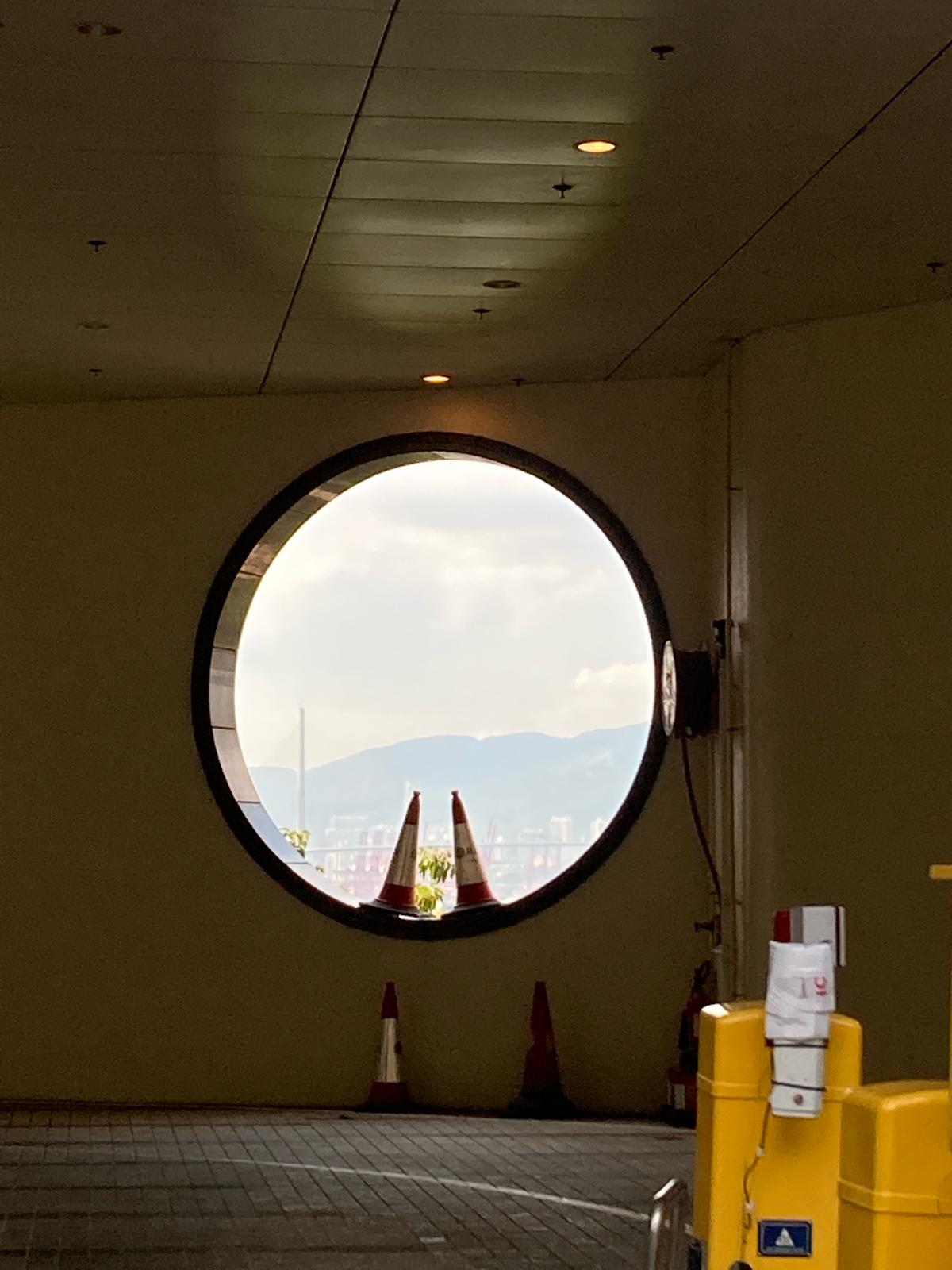
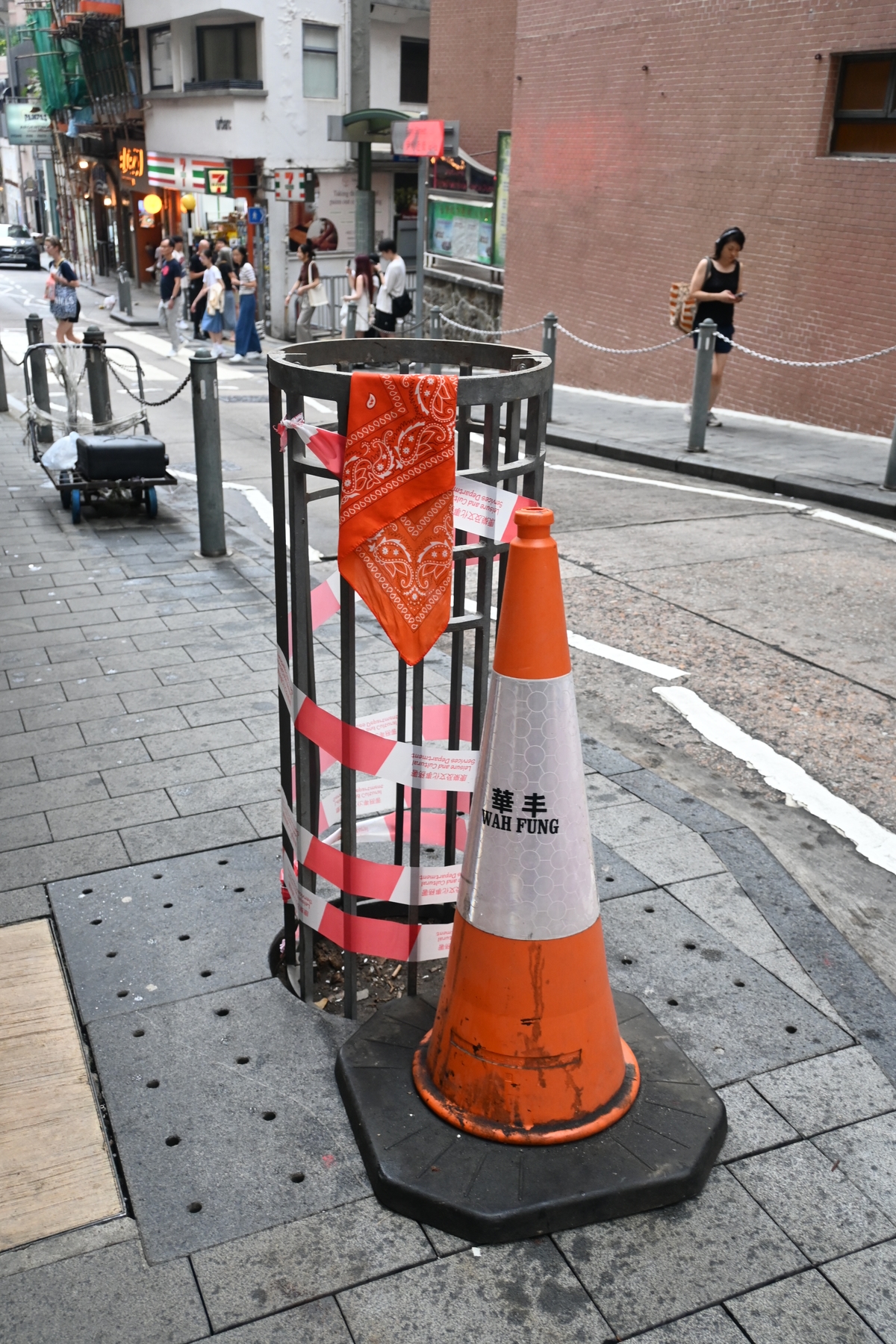
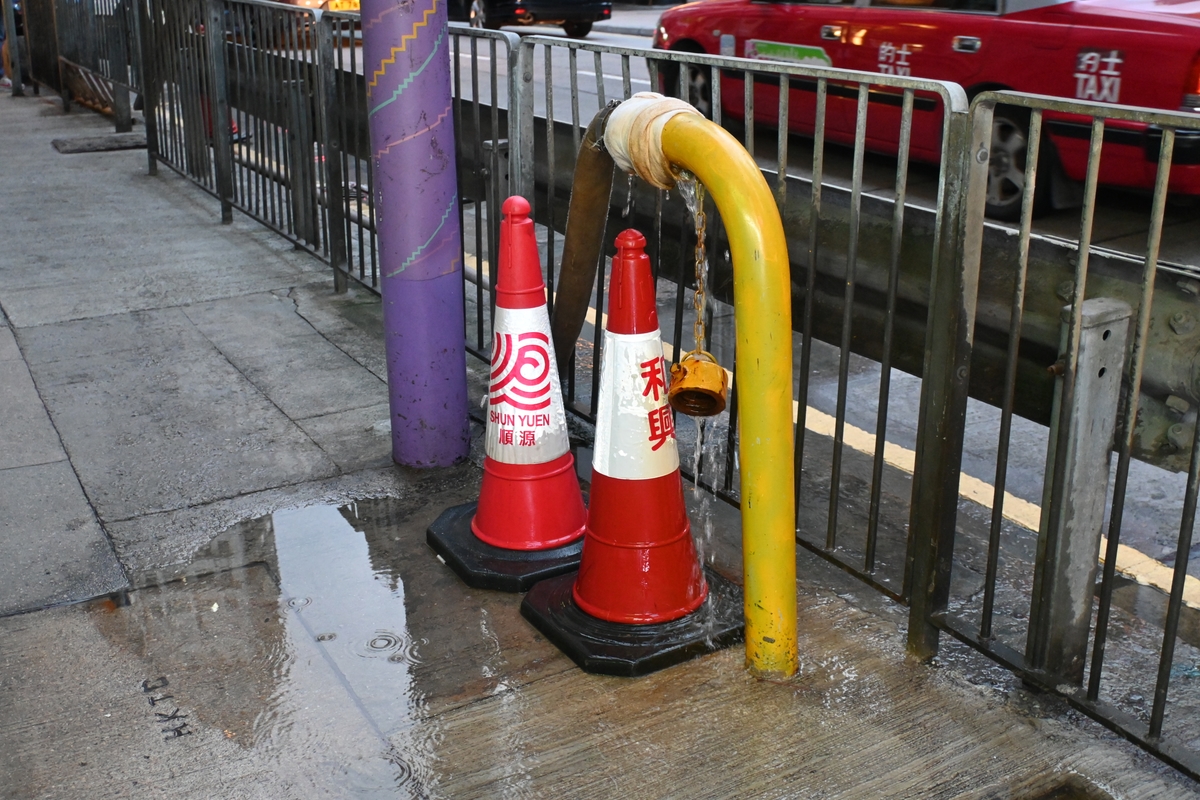
How it works
- Frequency (of appearance)
- Physical condition (type, colour, size, material, etc.)
- People (e.g. who notice the items and their behaviour or action)
- What are the original and current functions and values of these items?
- What is their relevance to you, and your selected neighbourhood or district? Imagine their absence from the city of Hong Kong or another city. What may be its impact on people’s way of life, and the urban environment?